@juergen_hubert Been thinking about this while reading this excellent book. I showed my students film trailers from the 1940s, 1980s and 2010s and discussed how the depiction of Medieval royalty has changed. Comparing many movies over the decades, particularly European and North American productions, it looks like royal protagonists are increasingly shown dressed as commoners (I have collected many examples).
In Monty Python's Holy Grail, the peasants could still note that "he must be the king - he hasn't got shit all over him!" Today, visualizing Medieval class differences seem to be taboo. In the Early Modern era, everyone is in fancy dress (e.g. Bridgerton), in the Middle Ages, everyone is covered in mud (e.g. King and Conqueror). A bit of an exaggeration, I'm sure there are exceptions!
One reason might be the whole "dark & gritty" trend in entertainment, i.e. "realism" means low saturation, "blue filter", ultra-violence, dirt everywhere etc. This applies particularly to depictions of the Middle Ages.
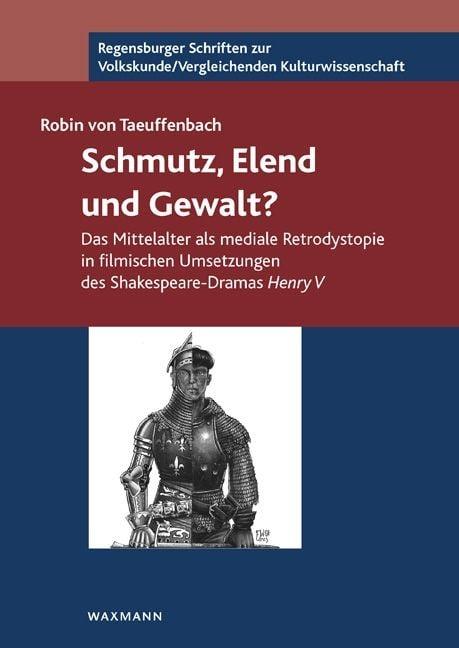
My own theory is that the viewers are expected to empathize with the royal protagonist, and therefore they can't be shown to set themselves apart from the common people. My non-historian students said that a character in plain dress "looks more honest". At the same time, they admitted that royalty are interesting, they are "mysterious". So one way to give a story broad appeal is to choose a royal protagonist who appears to be humble and approachable. Robin von Taeuffenbach notes how the Henry V character becomes successively younger and less aggressive, more passive and more pacifist in each film iteration of Shakespeare's play. Or as my students said when they saw Timothée Chalamet in the trailer to The King (2019): "Naawww!  "
"